Gut Healthy Snack Plate Ideas for Adults with Colourful Fibre Rich Ingredients
A good snack plate can do more than quiet a mid-afternoon appetite. Built well, it can add fibre, protein, healthy fats, vitamins, and gut-friendly variety without feeling like a chore.
For adults, the best snack plates feel generous and practical. They offer crunch, creaminess, sweetness, and something savoury. They also make it easy to eat more plant foods, which matters because a varied diet helps feed the beneficial bacteria in the gut.
This guide is for general information only and is not medical advice. Anyone with a diagnosed digestive condition, allergy, or specialist diet should follow personalised guidance from a qualified health professional.

Start with a balanced snack plate formula
The easiest way to build a gut healthy plate is to think in four parts:
High-fibre plants
Fruit, vegetables, pulses, seeds, and whole grains help support regular digestion and feed gut bacteria.
Protein-rich foods
Greek yoghurt, hummus, eggs, edamame, cottage cheese, nut butter, and roasted chickpeas help make the plate more filling.
Healthy fats
Nuts, seeds, avocado, olives, and olive oil bring flavour and help with fullness.
Colour and crunch
Different colours often signal different plant compounds, while crunchy foods make snacking feel more satisfying.
A snack plate does not need to be perfect. Aim for variety across the week rather than trying to fit every nutrient onto one board.
Colourful fruit that brings fibre and natural sweetness
Fruit is a simple way to add fibre, fluid, and sweetness without much preparation. For gut health, whole fruit is usually more helpful than juice because it keeps the fibre intact.
Good options include:
Berries
Strawberries, blueberries, raspberries, and blackberries are rich in fibre and plant compounds. Raspberries and blackberries are especially useful when you want a high-fibre choice in a small serving.
Apple slices
Apples contain fibre, including pectin, which is often described as a prebiotic fibre because it can help feed beneficial gut bacteria. Keep the peel on when possible.
Kiwi
Kiwi adds colour, vitamin C, and fibre. It pairs well with yoghurt, nuts, and oatcakes.
Orange segments
Citrus fruit brings freshness and fluid. It also works well beside savoury ingredients like olives, feta, or roasted chickpeas.
Try pairing fruit with protein or fat so the snack lasts longer. Apple with peanut butter, berries with Greek yoghurt, or kiwi with walnuts all work well.

Vegetables that add crunch, colour, and prebiotic fibre
Vegetables make a snack plate feel fresh and crisp. They also add fibre and volume, which supports a balanced plate without making it heavy.
Some of the best choices for a gut-friendly snack plate include:
Carrot sticks
Carrots add sweetness, crunch, and fibre. They are easy to prep in advance and hold up well in the fridge.
Cucumber rounds
Cucumber brings hydration and a cooling crunch. It is not the highest-fibre vegetable, but it makes the plate more refreshing and helps balance richer foods.
Pepper strips
Red, yellow, and orange peppers add vitamin C and a satisfying snap. Their sweetness works well with hummus or yoghurt-based dips.
Cherry tomatoes
Tomatoes bring acidity and juiciness. They are easy to grab and add colour with no chopping needed.
Radishes
Radishes are peppery and crisp. They are useful when the plate needs a sharper flavour.
For extra gut-friendly variety, add fermented vegetables in small amounts. Sauerkraut, kimchi, or pickled vegetables can bring tang and live cultures if they are unpasteurised. Start with a spoonful if fermented foods are new to you, as they can be strong.
Protein-rich dips and bites make the plate satisfying
A snack plate for adults should not feel like a pile of raw vegetables. Protein turns it into something nourishing and more filling.
Here are easy protein options to mix in:
Ingredient | Why it works | Easy pairing |
Greek yoghurt | High in protein, creamy, and often contains live cultures | Berries, chia seeds, cucumber, herbs |
Hummus | Made from chickpeas, so it brings fibre and plant protein | Pepper strips, carrots, wholegrain crackers |
Roasted chickpeas | Crunchy, portable, and rich in fibre | Tomatoes, cucumber, olives |
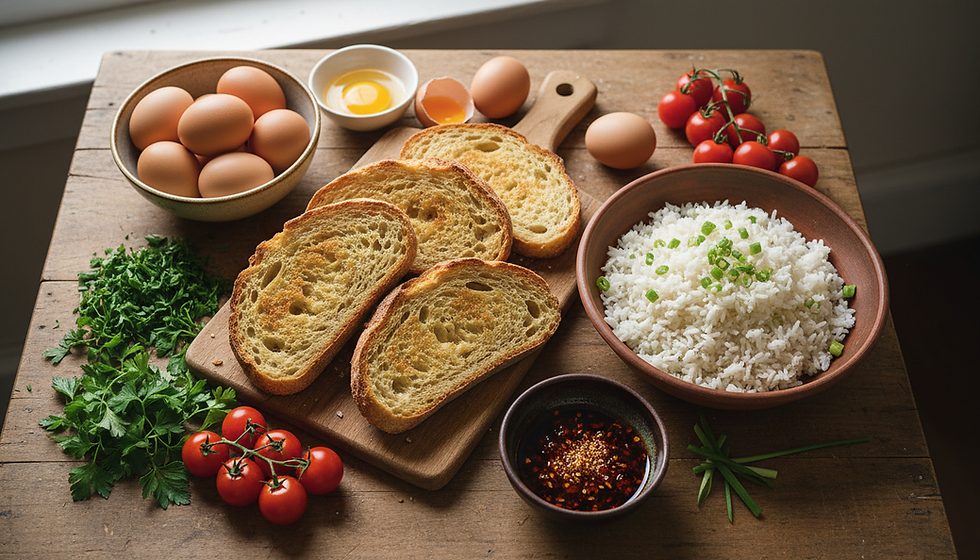
Boiled eggs | Protein-rich and easy to prepare ahead | Radishes, oatcakes, spinach leaves |
Edamame | Plant protein plus fibre | Sesame seeds, cucumber, chilli flakes |
Hummus is especially useful because it covers several bases at once. Chickpeas provide fibre and protein, tahini adds healthy fat, and olive oil can help carry flavour. Add paprika, lemon, or cumin to keep it interesting.
Greek yoghurt also deserves a place on the plate. Use it sweet with fruit and cinnamon, or savoury with grated cucumber, lemon, garlic, and herbs.

Whole grains, nuts, and seeds bring staying power
Whole grains add texture and slow-release energy. Choose options that list whole grains near the top of the ingredients list, such as oatcakes, rye crackers, seeded crispbreads, or wholegrain pitta strips.
Nuts and seeds add healthy fats, minerals, and extra fibre. They also make a snack plate feel complete because they bring richness and crunch.
Try these combinations:
Oatcakes with cottage cheese and sliced tomato
Rye crackers with hummus and cucumber
Wholegrain pitta with yoghurt herb dip
Walnuts with apple slices and cinnamon
Almonds with berries and dark chocolate squares
Pumpkin seeds scattered over yoghurt or hummus
Portion size matters with nuts and seeds because they are energy-dense. A small handful is usually enough for a snack plate, especially when paired with fruit, vegetables, and protein.
Mix and match your own adult snack plate
The best gut friendly snack plates are flexible. Use what is in the fridge, choose colours that appeal, and build around one protein source.
Here are three easy plate ideas:
The crunchy hummus plate
Add hummus, carrot sticks, cucumber, pepper strips, roasted chickpeas, and seeded crackers. Finish with a few olives or a spoonful of sauerkraut.
The sweet yoghurt plate
Add Greek yoghurt, berries, kiwi, apple slices, walnuts, chia seeds, and oatcakes. Sprinkle with cinnamon if you want more flavour.
The Mediterranean-style plate
Add boiled egg or edamame, cherry tomatoes, cucumber, wholegrain pitta, hummus, radishes, and a handful of almonds.

A gut-supportive snack plate does not have to look the same every day. Keep a few reliable staples on hand, such as hummus, yoghurt, berries, chopped vegetables, oatcakes, nuts, and seeds. Then change the colours, flavours, and textures depending on your mood.
The real goal is simple: more fibre, enough protein, plenty of plant variety, and food you actually want to eat. That is the kind of snack habit that can last.

Comments